March 24, 2026
The automotive landscape is shifting dramatically as electric vehicles (EVs) become increasingly popular. This evolution is spurred by growing environmental concerns, advances in battery technology, and governments pushing for lower emissions. As more people adopt EVs, the demand for convenient and efficient charging options is rising at both residential and commercial levels. EV charger installations are becoming a necessity to accommodate this burgeoning market and to support the infrastructure needed for widespread EV adoption. This comprehensive guide explores the key considerations and steps involved in investing in an EV charger installation from an electrician.
Understanding Different Types of EV Chargers
Level 1 Chargers
Level 1 chargers are the most basic type of EV chargers available. They operate on a standard 120-volt household outlet and are ideal for plug-in hybrids and lower-range electric vehicles. These chargers are typically used for home charging, where vehicles are parked for extended periods. The main advantage of Level 1 chargers is their low cost and ease of installation, but they charge the vehicle at a slower pace, which might not be suitable for daily use where rapid charging is required. For households with limited electricity access, Level 1 is often the starting point.
Level 2 Chargers
Level 2 chargers require a 240-volt power source, similar to what is used for appliances like clothes dryers. These chargers are perfect for residential settings where faster charging is needed, as they typically provide a full charge in a few hours. Unlike Level 1, Level 2 chargers are also suitable for commercial installations, offering a faster turnaround for electric fleet vehicles. With their increased power output, Level 2 chargers cater to daily commuters who need their vehicles ready promptly. Many businesses utilize Level 2 chargers to provide faster charging services to patrons and employees.
DC Fast Chargers
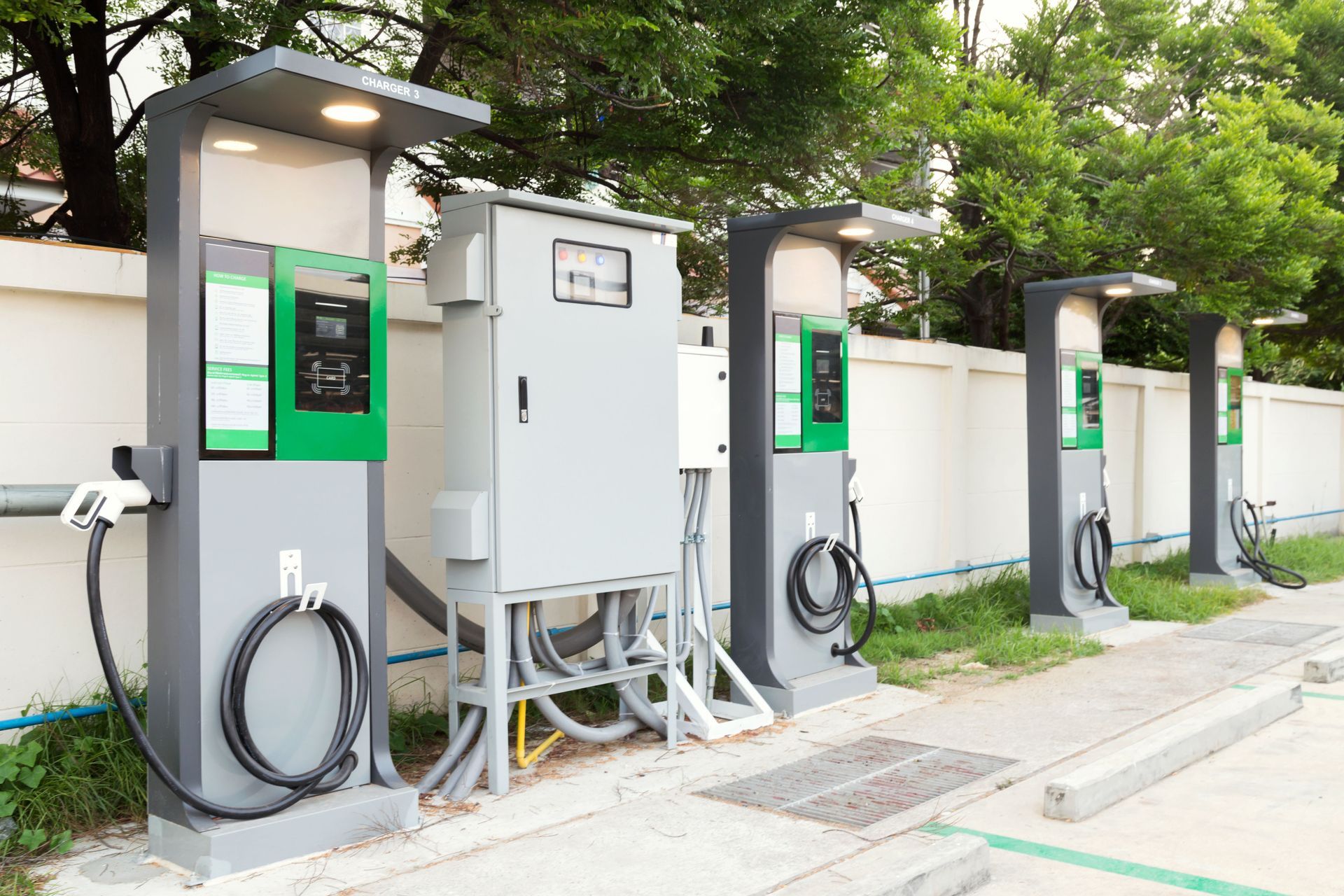
DC Fast Chargers represent the pinnacle of EV charging technology, delivering rapid charging by converting AC power to DC within the charger. These are most suited for commercial locations like highways, malls, and public parking areas where EVs require a quick charge. While these chargers are more costly, their speed makes them an attractive proposition for settings needing high turnover rates. The need for faster infrastructure aligns with expanding EV charger production rates, since, according to Gitnux, EV charger production ramped up to 1 million units in the U.S. in 2023, emphasizing a growing move toward rapid charging solutions.
Choosing the Right Charger
Selecting the correct EV charger from an electrician entails evaluating your specific needs based on vehicle type and usage patterns. For personal users, a Level 1 or 2 charger at home may suffice, depending on daily travel distance and electricity capacity. Businesses or public venues geared towards serving a wider audience should consider having an electrician install Level 2 or DC fast chargers to accommodate different vehicle types and requirements. Compatibility with existing electrical infrastructure also plays a crucial role. Future expansion plans should influence the decision, ensuring flexibility to upgrade as charger technology advances.
Evaluating Home and Business Benefits
Increased Property Value
Installing an EV charger with help from an electrician can significantly enhance property value, adding appeal for potential buyers interested in sustainable living options. As EV adoption grows, homes equipped with charging facilities become more attractive in the real estate market. This added amenity is increasingly seen as a value booster, akin to investments in energy-efficient appliances or solar panel installations. For businesses, charger installations broadcast a commitment to sustainability, enhancing property appeal and brand reputation. Commercial properties hosting chargers can also command premium rental rates, driven by the demand for readily available EV infrastructure.
Improved Energy Efficiency
EV chargers contribute to overall energy efficiency, particularly when paired with renewable energy sources. Smart chargers capable of scheduled charging during low-demand periods can optimize energy consumption and reduce costs. The integration of solar energy systems with chargers further enhances sustainability by reducing reliance on conventional grid power. These changes not only decrease emissions but also improve operational efficiency. Energy-efficient practices resonate with consumers and stakeholders, aligning with broader sustainability goals and enhancing market positioning.
Attracting More Customers
In the commercial sector, having EV chargers installed by an electrician can significantly attract EV-driving customers, providing a competitive edge over businesses lacking such amenities. EV drivers often seek out destinations where they can charge their vehicles while going about their daily activities, making charging capability a desirable feature for businesses. Installing chargers can thus act as a powerful marketing tool, drawing in a progressive customer base keen on sustainability. This strategy cultivates brand loyalty and fosters a community of repeat customers. Businesses portraying forward-thinking values tend to lead in market influence and consumer trust.
Employee Satisfaction and Incentives
Businesses adopting EV charging solutions within workplace environments can see positive shifts in employee satisfaction and productivity. Offering charging stations is an appreciated perk that can serve as a differentiating factor in employee attraction and retention. It also aligns with corporate responsibility initiatives and environmentally-friendly workplace policies. Employees benefit from the convenience of charging their vehicles during work hours, which can relieve the stress associated with commutes. Moreover, integrating these benefits into a broader incentives program with help from an electrician can enhance workforce morale and engagement.
Timing Your Investment
Market Trends and Projections
The growth of the EV market is a key consideration when planning the timing of charger investments. Increasing EV adoption rates and policy incentives create a favorable environment for transitioning to EV infrastructure. Market projections indicate a sustained rise in demand for charging facilities as more consumers switch from conventional vehicles. According to Gitnux, EV charger production increased to reach one million units in the U.S. in 2023, an indicator of the escalated pace of adoption. Aligning with these trends positions investors to capitalize on infrastructure opportunities and stay competitive in a rapidly evolving market.
Personal and Business Readiness
Evaluating readiness involves assessing current needs, potential growth, and infrastructure capabilities for charging installations. A critical component includes understanding vehicle usage habits and energy availability, determining the appropriate charger level, and the local electricity grid's capacity. For businesses, alignment with corporate objectives, customer demand, and available budget further dictates readiness. Personal and business preparedness should also account for prototyping and pilot projects to ensure scalability. Effective readiness evaluation helps streamline the decision-making process and integrates installations seamlessly into existing structures.
Technological Advancements
Technological advancements in EV charging inform the timing of investments, paving the way for improved usability and efficiency. Innovations such as bidirectional charging, wireless solutions, and enhanced battery capacities present opportunities to optimize installations. Keeping abreast of emerging technologies ensures compatibility with future enhancements and avoids obsolescence. It is essential for investors to monitor these developments until the desired technology reaches maturity for practical application. Such vigilance supports strategic procurement and ensures the alignment of investments with cutting-edge charging infrastructure.
Competitor Analysis
In commercial settings, understanding competitor actions and investments in EV infrastructure is crucial for maintaining a competitive edge. Analyzing competitors' strategic moves provides insights into market positioning and resonates with corporate goals. Businesses must identify gaps in competitors' offerings and position their infrastructure investments to address these opportunities. Late adopters may risk falling behind, underscoring the importance of proactive bottom-line planning. Competitor analysis aids in crafting an informed strategy that dovetails with industry growth to anticipate market moves.
As electric vehicles continue to carve a significant niche in the automotive industry, preparing for a seamless transition with well-timed EV charger installations becomes paramount. Strategic investments offer multi-faceted advantages, including enhancing property values, attracting eco-conscious patrons, and supporting environmental stewardship. With the EV landscape rapidly evolving, comprehending market trends, technological advancements, and pertinent regulations is vital. By futureproofing infrastructure now, stakeholders can capitalize on long-term savings and competitive advantages, aligning strategy with sustainable development and corporate commitment. Ultimately, informed installations position investors to ride the surge in EV adoption with foresight, robustness, and purpose. Contact Bolt Electric today for help from an electrician for all your electrical needs.